June 21, 2026
Ensuring your vehicle's brakes are functioning properly is crucial for safety on the road. Understanding the warning signs of brake issues is essential to prevent accidents and costly car repairs. In this article, we will explore several indicators that your brakes may need repair. Regular maintenance of your braking system can greatly enhance vehicle safety and performance. Let us delve into the specific signs that something might be wrong with your vehicle's brakes.
1. Squealing or Screeching Sounds
Brake pads are designed to create friction that slows down or stops your car. Over time, they wear down, and this can lead to high-pitched squealing or screeching noises. This noise is often caused by a small metal shim, called an indicator, which creates the sound to alert the driver that the brake pads need replacing. If addressed early, replacing brake pads is a relatively simple and affordable type of vehicle maintenance. Ignoring these sounds can lead to more serious damage and costly car repairs, as well as compromise vehicle safety.
While brake pad wear is a common cause of squealing sounds, dust and moisture can also contribute to these noises. Dust from the road can accumulate on the brake pads and rotors, creating a grinding or squealing noise. Moisture from rain or humid conditions can cause rust to form on the rotors, leading to temporary noise. This noise usually disappears after a few brake applications. Regular cleaning and maintenance can help minimize these issues and maintain braking efficiency without requiring major work.
If you notice the screeching noise persists even after a few brake applications, it may be time to conduct a thorough investigation. Persistent noise is often an indicator of worn-out brake pads or other issues with the braking system. Ignoring these sounds can exacerbate wear on other components of the braking system, such as the rotors. Regular inspection for car repairs can help identify issues early, especially if the noise is accompanied by other signs like reduced braking performance. Consulting with a professional mechanic can ensure a comprehensive diagnosis and appropriate fixes.
2. Grinding Noise While Braking
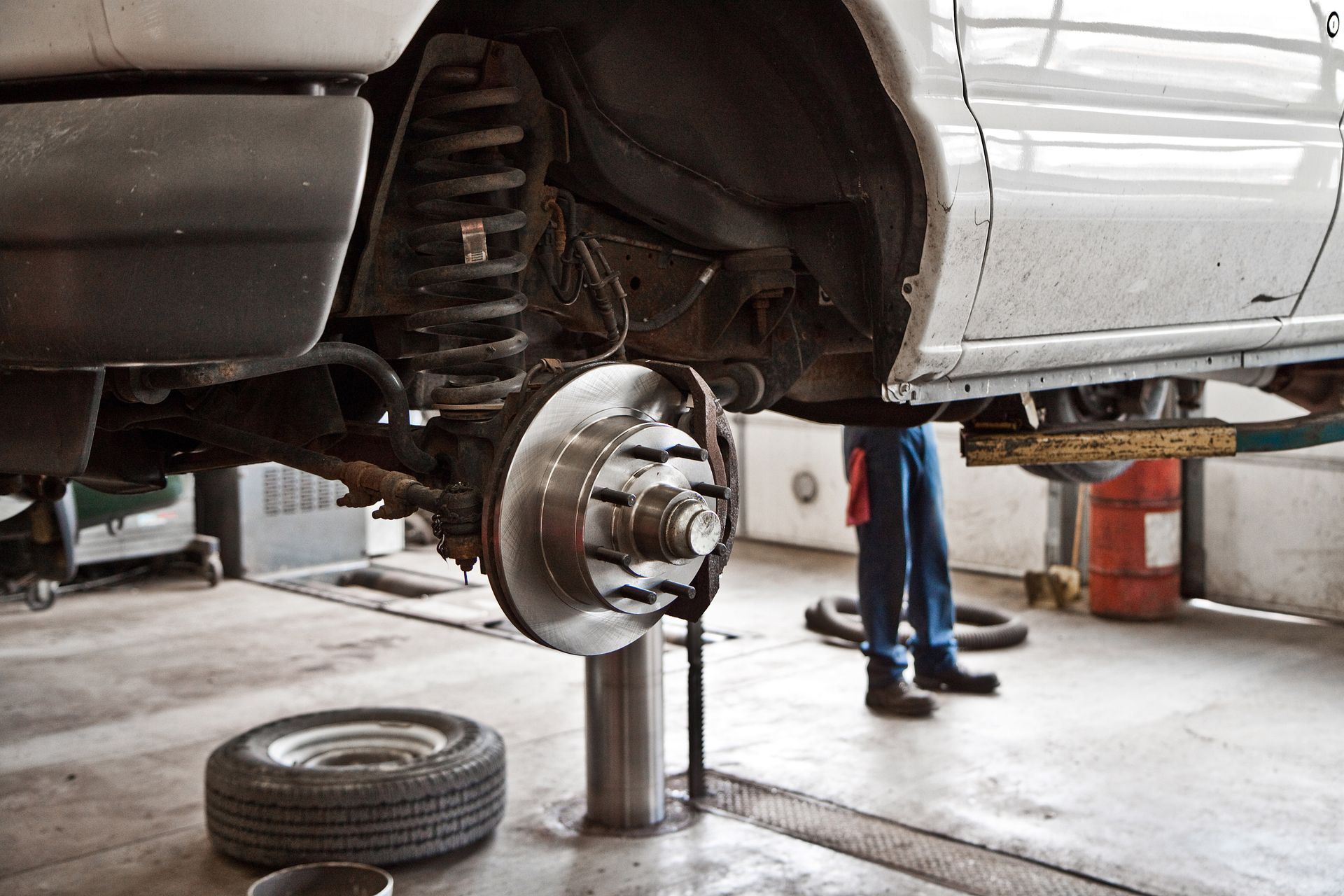
A grinding noise while braking often indicates metal-on-metal contact within the braking system. This sound results from complete brake pad wear, exposing the metal caliper, which grinds against the rotor. This level of wear significantly affects braking capability and necessitates immediate inspection. Ignoring this stage can lead to rotor damage, elevating car repairs and their costs, and increasing vehicle downtime. Regular maintenance and early diagnosis of brake issues are crucial to avoiding such critical wear scenarios.
Worn-out brake pads are a leading cause of grinding noises and impaired braking performance. When brake pads wear down entirely, the metal backing plates contact the rotors, causing significant damage. This not only reduces braking efficiency but can also compromise road safety. If the rotors are damaged, they require resurfacing or even complete replacement in severe cases. Maintaining an appropriate schedule for brake inspections and replacement can prevent wear from reaching these critical levels.
3. Vibration or Pulsation During Braking
Brake rotor unevenness is a frequent cause of vibrations or pulsations while braking. When rotors have uneven surfaces, they create an inconsistent friction path for the brake pads. This inconsistency manifests as vibrations in the brake pedal or steering wheel, known as brake judder. Regularly using high-quality rotors and ensuring proper installation minimizes this unevenness. Faulty rotors affect braking efficiency and should be addressed swiftly to maintain performance and safety.
Warped rotors are another source of brake-induced vibrations, often caused by prolonged heat exposure, that will require car repairs. Occurring when rotors cool too quickly after becoming extremely hot, warping alters rotor surface alignment. Conditions like frequent braking, especially on downhill roads or in traffic, elevate rotor temperatures more frequently. Regular visual checks or digital rotor measurements help identify warping. Addressing warped rotors before they affect the braking system's performance prevents extensive and costly automotive work.
Pulsations during braking significantly impact vehicle control, complicating maneuverability and increasing stopping distances. These symptoms can surprise drivers, escalating risks during crucial stopping moments. Vibrations can lead to a jarring experience, reducing driver comfort and overall vehicle response. Left unresolved, pulsation can further erode brake system integrity, culminating in comprehensive brake failure. Accurate diagnosis founded on regular professional inspections ensures brakes operate effectively and safely.
4. Spongy or Soft Brake Pedal
Brake fluid leaks often manifest as a spongy or soft brake pedal feel, impacting braking confidence and safety. Leaks can arise from damaged hoses, corroded lines, or faulty master cylinders, all of which compromise hydraulic pressure within brake systems. This pressure loss impairs brake engagement efficacy, prolonging response times. Visual inspection and periodic professional evaluations support early leak detection and resolution. Addressing brake fluid leaks promptly ensures system integrity and continued braking performance.
Air presence in brake lines additionally contributes to spongy brake pedal symptoms and deteriorating brake response. Typically, air infiltration occurs from low fluid levels, leaks, or improper bleeding techniques. Air prevents efficient fluid transmission, disrupting hydraulic pressure and delaying force application. A complete brake bleed procedure effectively removes air, restoring pressure balance and pedal firmness. Regular car repairs preserve brake line integrity, mitigating air infiltration risks.
Testing for a spongy brake pedal involves monitoring pedal resistance during application. Starting the vehicle allows pressure buildup within the brake system, facilitating testing. Gradual pedal depression should yield predictable resistance—if deviations occur, further investigation is necessary. Visual checks around brake lines and fluid reservoirs help identify leaks and air visible in systems. Consulting with professional technicians ensures proper brake bleeding and addressing of defects within hydraulic systems.
5. Vehicle Pulling to One Side
Caliper malfunctions frequently manifest as the vehicle pulling while braking, an issue directly affecting stability and control. Pulling occurs when one brake caliper fails to engage fully, prompting brake application imbalances. Resultant forces skew the vehicle trajectory, compounding driving difficulty and jeopardizing other system components over time. Regular caliper inspection and maintenance ensure their consistent response, mitigating uneven application risks. Understanding calipers supports broader vehicle safety and control efforts.
Uneven brake pad wear can instigate pulling by creating differential braking efficacy across axles. Uneven wear emerges from irregular rotor surface contact or misaligned calipers, fostering divergences in frictional forces. Detecting early disparities through visible pad assessment minimizes long-term system damage. Proximity or alignment adjustments efficiently harmonize pad wear, preserving performance balance. Recognizing wear patterns enables preemptive correction of alignment and interaction anomalies.
Recognizing the signs that your brakes may need repair is key to maintaining vehicle safety and performance. Driving habits dictate how often you will face these maintenance expenses.
According to Cars.com, your brakes may last only 15,000 to 30,000 miles if you do a lot of city driving, but if you're primarily highway driving, where the brakes are rarely applied, the brakes may last 70,000 miles or more.
By addressing these issues early, you can prevent potential accidents and ensure a smoother driving experience. If you detect any of these signs, consulting a professional mechanic for a thorough inspection is advisable to keep your braking system in optimal condition. Regular brake maintenance, including pad replacement, fluid checks, and professional evaluation, enhances operational reliability. Armed with the right information, you can respond effectively to ensure long-term safety and avoid complex car repairs. For premier diagnostics and dependable service, trust your vehicle to Exotic Auto Service by Kabani to ensure your automotive systems remain safe, balanced, and perfectly responsive.