October 15, 2026
Porsche vehicles are world-renowned for their high-performance engineering, precise handling, and raw mechanical power. However, generating that extraordinary level of horsepower creates an immense amount of internal thermal energy that must be dissipated rapidly. Whether driving a rear-engine 911, a mid-engine Cayman, or a high-performance Cayenne SUV, your vehicle relies on a highly sophisticated cooling infrastructure to maintain safe operating temperatures. According to Porsche Newsroom, Porsche retail deliveries in the United States reached 18,884 vehicles during the first quarter of 2025, marking a 40.6 percent increase compared to the same period in 2024. As more enthusiasts hit the open road in these precision machines, the demand for specialized maintenance increases proportionally. Maintaining peak thermal efficiency is essential for preserving the factory-tuned responsiveness of high-output Porsche engines. Understanding how thermal energy flows through these high-strung powertrains empowers owners to spot early warning signs. Scheduling routine Porsche services ensures that every component of your liquid cooling system operates within factory specifications, protecting your high-output engine from catastrophic thermal damage.
Recognizing the Critical Role of the Mechanical Thermostat
The thermostat acts as the primary thermal gateway for your vehicle, regulating the flow of coolant between the engine block and the forward-mounted radiators. When the engine is cold, the thermostat remains closed to allow operating fluid to heat up quickly, minimizing internal engine wear and optimizing fuel efficiency. Once internal temperatures reach optimal thresholds, the internal valve opens to circulate hot fluid toward the front cooling assembly. A sticking or failing thermostat can cause rapid overheating if it stays closed, or prevent the engine from reaching operating temperature if it fails open. Precise temperature regulation protects delicate internal engine tolerances under high loads. Scheduling professional Porsche services provides factory-trained technicians with the opportunity to test thermostat response times and replace aging valves before total failure occurs.
Identifying the Symptoms of Thermostat Malfunctions and Coolant Blockages
Recognizing early warning signs of cooling system failure allows owners to take corrective action before engine components suffer severe warping or fracture. Dashboard warning lights, fluctuating gauge readings, and unusual coolant reservoir drops serve as primary indicators of thermal distress. In many water-cooled Porsche models, a failing thermostat may trigger fault codes related to slow engine warm-up or unexpected thermal spikes during spirited driving. Additionally, aging plastic thermostat housings are prone to hairline fractures, allowing pressurized coolant to seep out slowly over time. Partnering with certified specialists for Porsche services guarantees that subtle cooling faults, electronic sensor glitches, and hidden fluid leaks are diagnosed accurately using advanced Porsche-specific diagnostic software.
Inspecting Water Pump Mechanics and Impeller Health
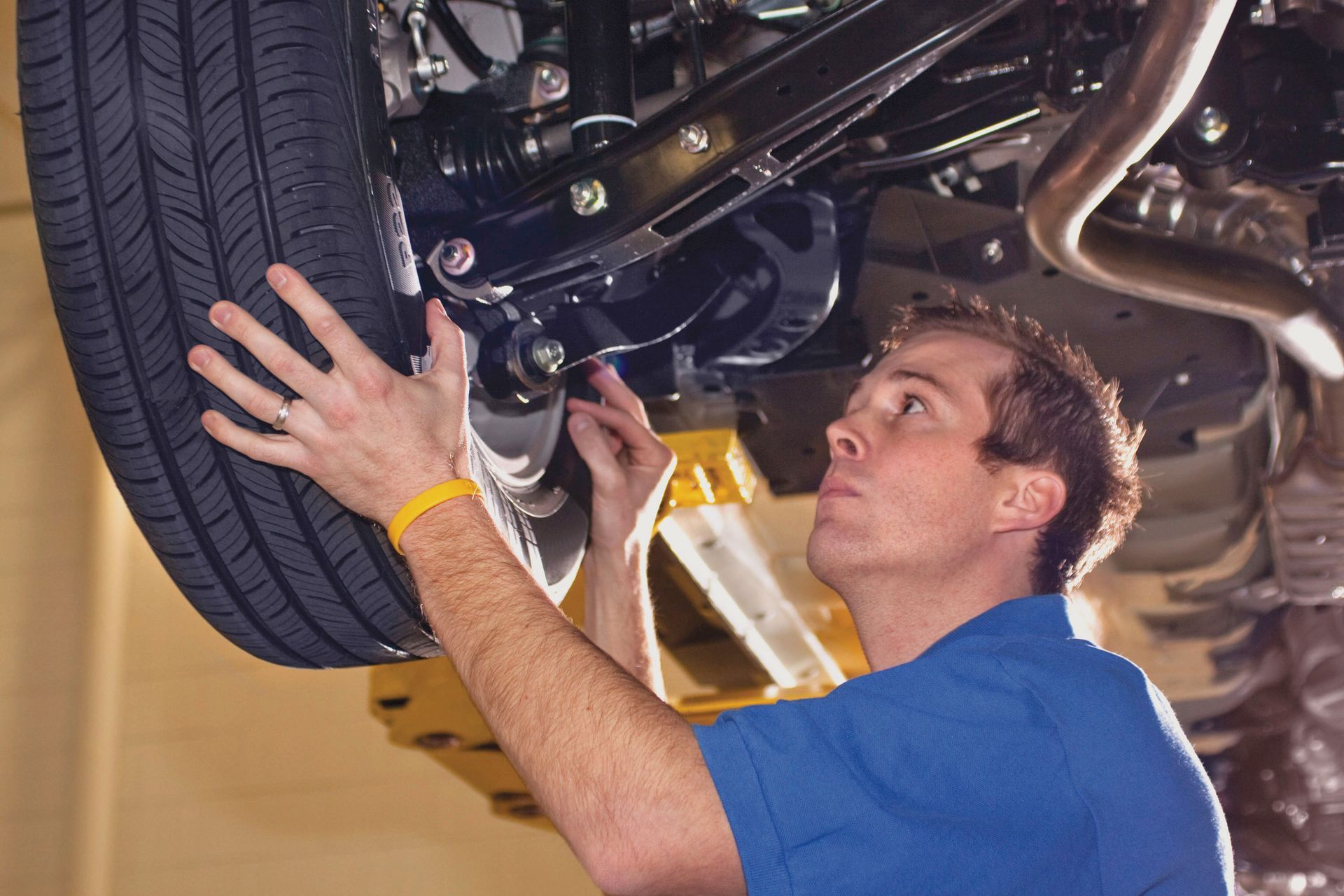
The water pump serves as the beating heart of your Porsche's cooling loop, constantly circulating pressurized fluid through the engine block, thermostat, and front-mounted radiators. Many factory water pumps feature composite plastic impellers designed to minimize rotating mass and reduce strain on engine belts. Over time, heat cycles make these plastic blades brittle, leading to hairline fractures, lost impeller fins, or sudden mechanical slippage along the drive shaft. Replacing a worn water pump preventatively safeguards against sudden coolant starvation on the track or highway. When blades disintegrate, broken plastic fragments can migrate into narrow cooling passages, creating localized hot spots that standard temperature sensors may not immediately detect. Including comprehensive water pump evaluations during your regular Porsche services allows technicians to catch bearing play and impeller wear before mechanical failure restricts coolant circulation.
Understanding the Vulnerability of Front-Mounted Radiator Ducts
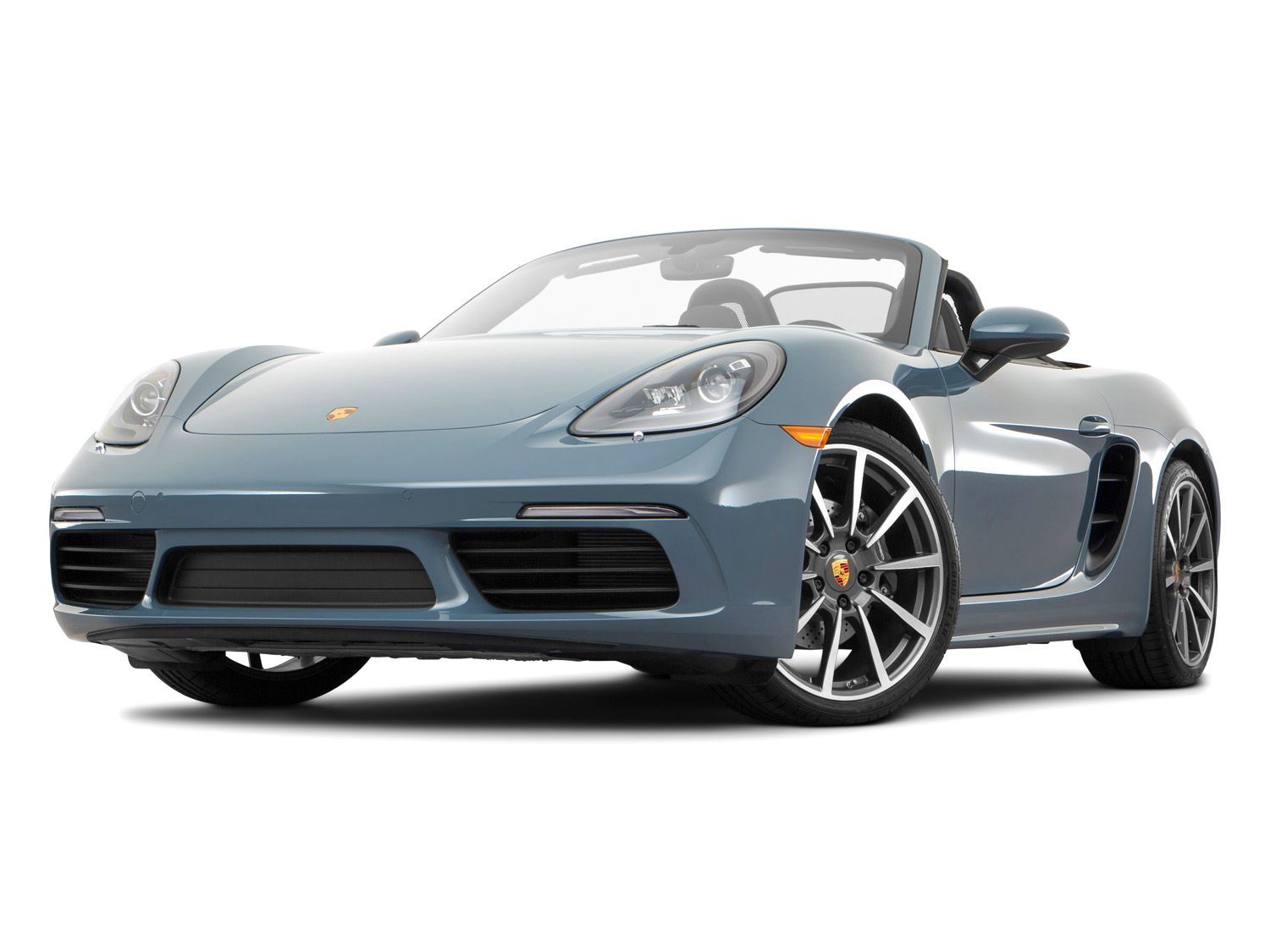
Unlike traditional vehicles with central front grilles, many Porsche sports cars utilize low-slung, front-facing bumper intakes that house twin or triple aluminum radiators. These open air scoops are designed to channel high-velocity airflow directly across the heat exchangers, maximizing heat dissipation at high highway speeds. However, their position close to the pavement makes them natural traps for road debris, falling leaves, pebbles, and plastic trash. Over time, organic matter accumulates behind the front bumper, packing tightly against the delicate aluminum cooling fins and trapping moisture. Seeking comprehensive Porsche services includes removing front bumper covers to clear away impacted debris, ensuring unrestricted airflow across all heat exchanger surfaces.
Recognizing Corrosion Risks Caused by Trapped Debris in Air Intakes
Accumulated leaves and dirt inside front air ducts do far more than simply block beneficial airflow into the radiator cores. Organic debris holds rainwater and road salt directly against aluminum radiator fins and lower air conditioning condenser lines for weeks at a time. This constant moisture exposure accelerates galvanic corrosion, causing fragile cooling fins to deteriorate and eventually leading to high-pressure coolant leaks. Addressing front-duct organic buildup during routine oil changes helps prevent costly radiator core replacements. Routine inspection of these hidden intake corners prevents pinhole leaks from developing unexpectedly. When corrosion compromises radiator structural integrity, replacing the entire forward cooling assembly becomes unavoidable. Investing in preventive Porsche services ensures that technician teams perform thorough thermal flushing, duct cleaning, and corrosion inspections, significantly extending the operational lifespan of your factory radiators.
Evaluating the Impact of Aftermarket Protective Grille Inserts
To combat the constant threat of road debris entering front air scoops, many Porsche enthusiasts choose to install high-quality mesh grille inserts. Custom-fitted aluminum or steel mesh screens effectively block larger stones, road trash, and autumn leaves while maintaining necessary aerodynamics. These protective barriers drastically reduce the rate of debris accumulation behind the front bumper, minimizing the need for frequent bumper disassembly. During routine Porsche services, experienced technicians can assess aftermarket mesh installations to confirm they do not restrict total CFM airflow into the radiators. Integrating physical debris protection with professional maintenance creates an effective defense system against unexpected road hazards and radiator punctures.
Managing Coolant Fluid Quality and Regular System Pressure Testing
Engine coolant is not merely colored water; it is a complex chemical formulation designed to resist boiling, prevent freezing, and lubricate the internal water pump seal. Over time, corrosion inhibitors within the coolant break down, allowing acidic compounds to form inside the aluminum engine block and cooling lines. Deteriorated fluid can cause internal scale buildup, restricting narrow passages inside the radiator cores and reducing thermal transfer efficiency. Fresh coolant maintains optimal thermal transfer properties even under intense driving conditions. Regular pressure testing identifies microscopic leaks before they evolve into major cooling failures. Scheduling regular Porsche services ensures your coolant is tested for proper chemical balance, pressure-tested for internal head gasket or hose leaks, and completely flushed according to manufacturer maintenance intervals. Fresh factory-approved coolant preserves internal pump seals and maintains maximum heat absorption capacity under extreme driving conditions.
porsche services
A Porsche is a significant financial investment, and maintaining its mechanical health preserves both driving enjoyment and long-term market value. Thermal damage resulting from severe overheating can warp cylinder heads, score cylinder walls, and destroy delicate rubber engine seals, leading to astronomical repair bills. Taking a proactive approach to cooling system maintenance—focusing heavily on thermostat health, radiator duct hygiene, and fluid quality—ensures your vehicle delivers reliable performance on both the street and the track. Entrusting your maintenance routine to qualified specialists who offer specialized
Porsche services guarantees that your vehicle receives authentic OEM parts, precise torque specifications, and expert care. Prioritizing preventive cooling system maintenance allows you to enjoy every mile with complete peace of mind, knowing your engine is fully protected against heat-induced failure. Contact Exotic Auto Service by Kabani today to schedule your comprehensive Porsche cooling system inspection and keep your engine operating at peak performance.