November 18, 2026
The evolution of automotive training has profoundly transformed the landscape of luxury vehicle repairs, driven by rapid technological advancements and changing consumer expectations. Originally, repairs were performed by general mechanics with limited tools and knowledge, but today's technicians are highly specialized in luxury auto repairs and trained in cutting-edge technologies. As luxury vehicles incorporate more advanced systems, the demand for technicians skilled in the latest innovations has become imperative for ensuring quality repairs.
This article explores how historical and modern developments in automotive training have shaped the repair processes for luxury cars. By understanding this evolution, we can appreciate the intricate balance between tradition and innovation in today's luxury auto repair industry.
The Historical Context of Automotive Training
Early Mechanic Roles
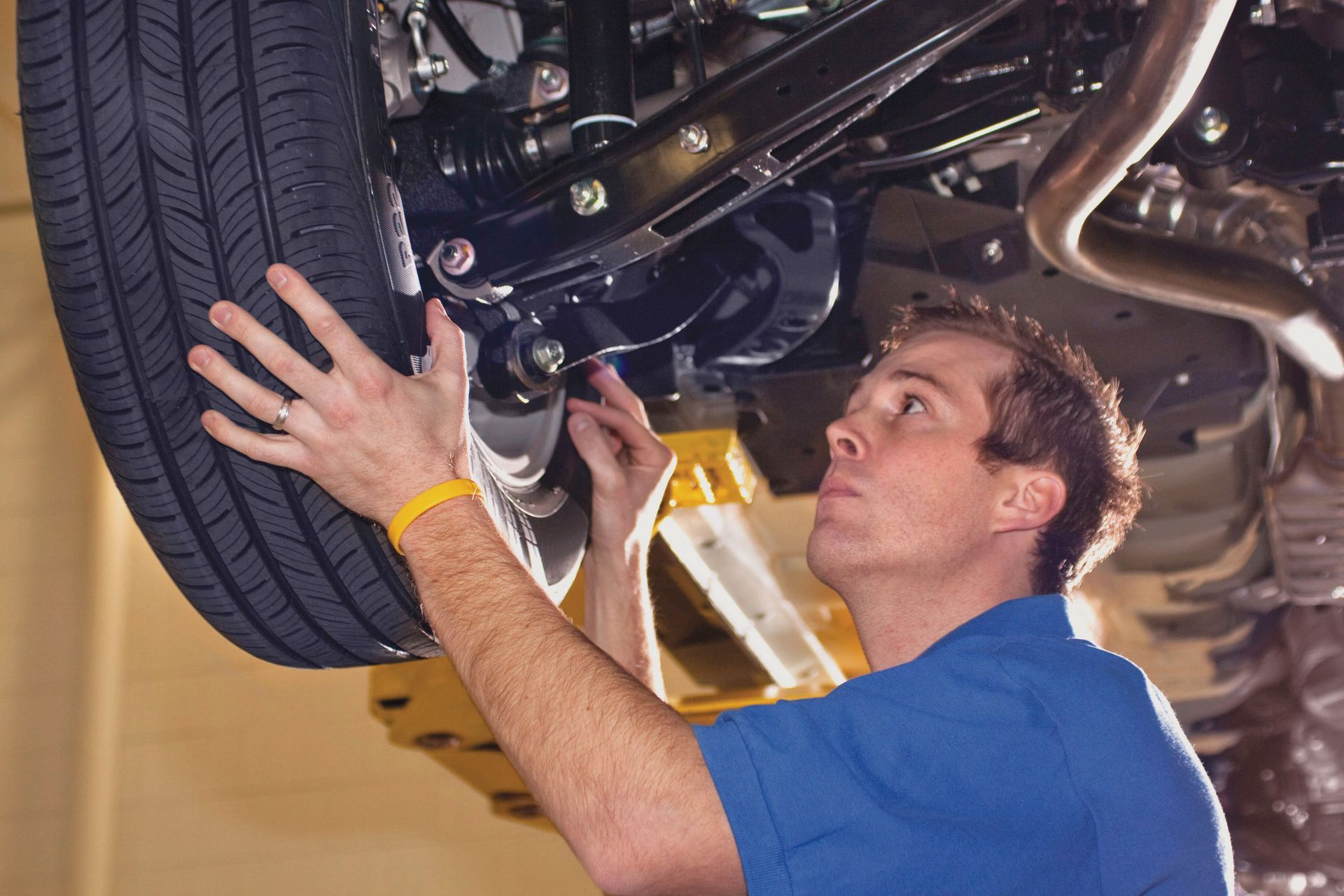
In the early automotive industry, mechanics were mostly self-taught, relying on trial, error, and hands-on experience. According to Mechanic Advisor, the first automobile mechanic school opened in 1904, marking a shift from informal apprenticeships to structured training programs.
These dedicated schools revolutionized the profession by introducing a systematic approach to auto repair. As cars grew more complex, formal education provided mechanics with recognized credentials, establishing a standard expectation of expertise as the auto industry matured.
Technological Advancements in the 20th Century
The 20th century brought about monumental technological advancements, fundamentally altering automotive design and repair. The introduction of electronic systems in vehicles during the 1970s and 1980s marked a significant shift. This era demanded mechanics adapt to new technologies, including complex electrical systems, computerized diagnostics, and specialized luxury auto repairs. Automotive training programs had to incorporate these new skills to keep pace with the industry's transformation. As cars became more reliant on electronics, understanding these components became crucial for effective repairs.
These technologies introduced in luxury vehicles included fuel injection systems and computerized engine management, which required a deep understanding of electronic diagnostic tools. Traditional mechanical skills were no longer sufficient for servicing luxury automobiles. Mechanics often needed additional expertise in electronic theory and circuit diagnostics; this became vital to ensure all components function appropriately during modern luxury auto repairs. The change necessitated revising the curriculum in automotive schools to support these technological strides. As a result, training programs began to offer courses focused heavily on electronic systems and diagnostics.
Introduction of Specialized Training Programs
The growing complexity of luxury vehicles throughout the 20th century spurred the need for specialized training programs. Traditional mechanic courses were no longer adequate in covering the in-depth knowledge required for luxury vehicle repairs. Manufacturers started offering specialized programs tailored to their specific models and technologies. These programs provided hands-on training with the latest luxury models, ensuring technicians were equipped with precise repair techniques. This shift marked the beginning of brand-specific training initiatives replacing generic coursework.
Specialized training programs allowed auto technicians to gain mastery over specific vehicle brands and models, offering a competitive advantage in a rapidly advancing field. They learned nuances about high-end features that set luxury vehicles apart, like adaptive cruise control systems and advanced infotainment configurations. Furthermore, this form of training fostered a deeper brand loyalty and understanding among technicians. Brands like Mercedes-Benz and BMW took the lead, closely collaborating with educational institutions to shape course content. This partnership ensured that technicians' skill sets were aligned with industry expectations, enhancing service quality.
Impact of the Digital Revolution
The advent of the digital revolution brought computers and sophisticated software into the automotive world, catalyzing a major shift in vehicle repair training. Innovations like computer-aided design (CAD) and manufacturing, as well as complex onboard diagnostics, altered luxury car engineering. Repairing these systems required an evolved skill set beyond conventional mechanical knowledge, emphasizing digital literacy, advanced diagnostics, and mastery of modern luxury auto repairs. Thus, training programs expanded to include comprehensive education on digital vehicle systems. By doing so, they provided mechanics with the vital tools to address newly arising technical challenges.
The increasing reliance on digital systems led to the introduction of computerized diagnostic tools in workshops, necessitating updated training modules for mechanics. Now, diagnostic processes are significantly information-driven, requiring proficiency in software systems and analytical skills. These updates allowed technicians to perform precise diagnostics, accurately identifying faults more efficiently. It streamlined repair processes and boosted service quality, meeting the high standards expected in luxury auto repairs and routine vehicle maintenance. Consequently, technicians trained in digital and computerized systems became incredibly valuable assets.
Transition to Formal Education and Certification
Over time, the complexities of modern vehicles challenged the informal mechanic training systems, spurring a transition to formal education and certification. Workshops began to prioritize hiring certified technicians who could demonstrate standardized competencies. Credentials like the Automotive Service Excellence (ASE) certification became benchmarks of skill and quality assurance. Schools introduced formal courses in automotive technology, focusing on a rigorous curriculum that included both theoretical and practical training. These certifications assured customers of a technician's expertise and the quality of work they could expect.
This formalization further professionalized the field, gradually changing the public perception of auto mechanics. The proficiency demonstrated by certified technicians nurtured trust and confidence among luxury vehicle owners. Educational institutions began partnering with automakers to incorporate brand-specific modules into the curriculum, reflecting industry intricacies accurately. Moreover, safety standards demanded thorough understanding, urging technicians to be well-versed in standardized procedures. As the industry progressed, these certifications provided a consistent measure of a technician's capabilities across different regions.
Modern Automotive Technologies in Luxury Vehicles
Integration of Electronics and Software
The integration of advanced electronics and software marks the evolution to the current landscape of luxury automobiles. These systems enhance vehicle performance, safety, and user experience, forming a core part of modern luxury car appeal. Complex software controls numerous functionalities like climate control, audio systems, and active safety technologies. Technicians now require proficiency in programming and maintaining these sophisticated electronic systems. This trend continues to push the boundaries of conventional auto repair training, necessitating a recalibrated focus on electronics.
The rise of electronic control units (ECUs) in vehicles further illustrates this integration. An average luxury car can contain dozens of ECUs, each responsible for managing specific functions like engine performance and stability control. Understanding the intricacies of these units is critical for timely diagnostics and repair. As a result, training programs have evolved to teach systematic approaches towards diagnosing and troubleshooting electronic issues. Incorporating hands-on practice with actual vehicle systems ensures that trainees are familiar with the real-world challenges of luxury vehicle repair.
Advancements in Engine Design and Efficiency
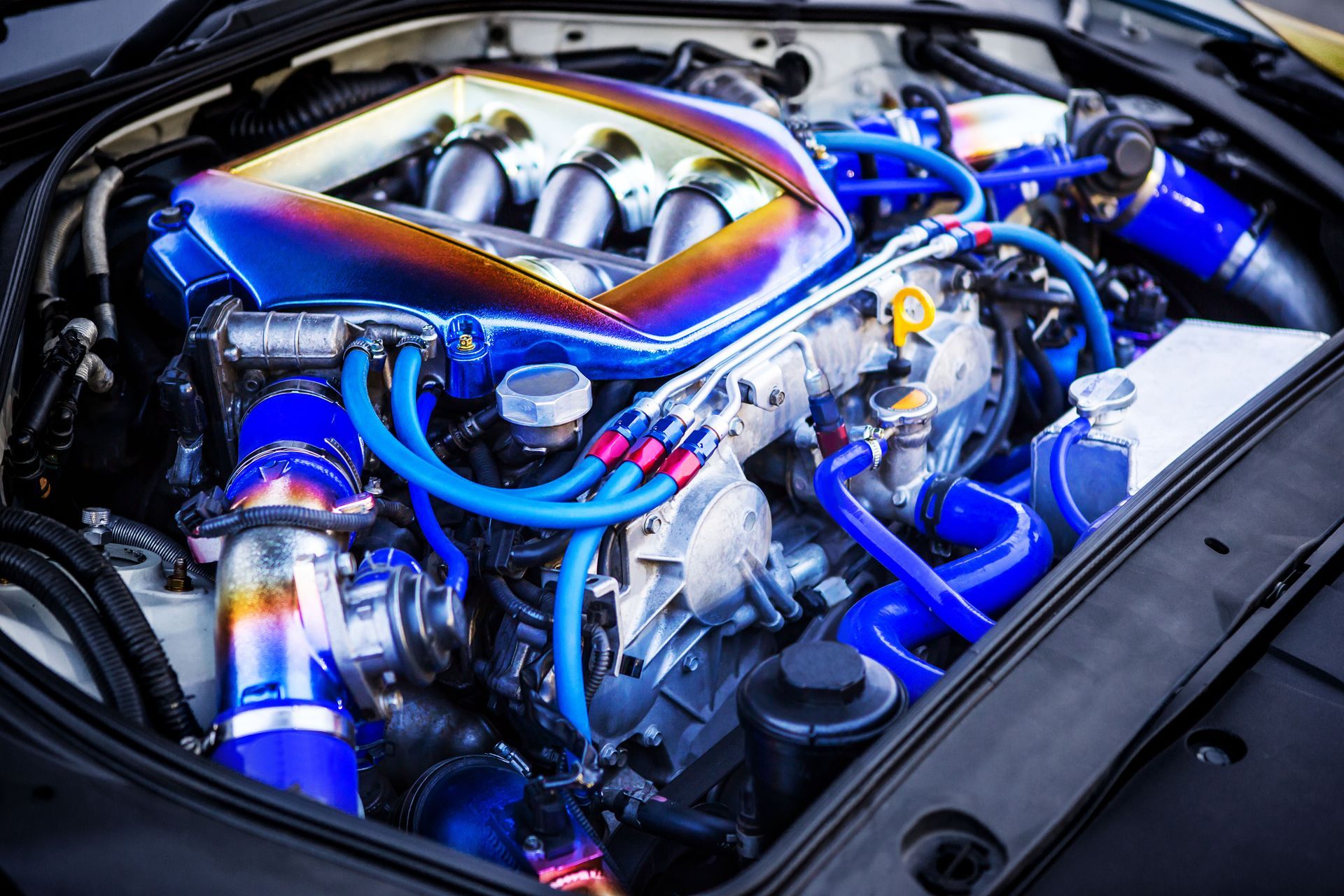
Engine design and efficiency have seen unprecedented advancements in luxury vehicles, demanding innovative approaches to auto repair training. As environmental standards became stricter, automakers focused on developing engines that deliver high performance with reduced emissions. Turbocharged engines, hybrid powertrains, and start-stop systems have become more common in luxury models. Understanding these advanced technologies is critical, prompting training programs to adapt accordingly. Ensuring technicians are capable of maintaining and executing luxury auto repairs on these systems is essential for upholding manufacturer standards and customer expectations.
High-performance engines in luxury cars often incorporate specialized materials and engineering techniques. These could include the use of lightweight materials like aluminum and titanium to improve efficiency without compromising strength. This aspect of modern engineering requires further specialization from technicians, as working with such materials calls for unique skills and tools. Knowledge of dynamic engine management systems, combining electronics and mechanical components, is crucial for accurate diagnostics and high-end luxury auto repairs. Training programs that integrate these elements prepare technicians to effectively handle cutting-edge engine technologies.
Connectivity and Infotainment Systems
The rollout of connectivity innovations has redefined luxury vehicles, making infotainment systems central features. These systems connect drivers to information, entertainment, and vehicle management services. Technicians now need advanced training in networking, electronics, and communication protocols to maintain these platforms seamlessly. Training programs continually adapt to include connectivity modules, building essential proficiency in this domain.
As luxury vehicles continue to evolve with cutting-edge electronics and high-performance powertrains, expert care is essential to preserving your vehicle's peak performance. Trust the master technicians at Exotic Auto Service by Kabani for the precision care your investment deserves—schedule your service today.